Devil May Cry Season 2 Review: Netflix Pulls a Miracle for the Franchise’s Black Sheep
Netflix’s Devil May Cry Season 2 Review: Redemption for the Series' Most Hated Game?
Devil May Cry Season 2 is a masterpiece! Discover how Netflix and Studio Mir redeemed DMC2, the arrival of Vergil, and why Arius is the villain of the year in our 1,500-word deep-dive review.
The year 2026 has been a golden era for video game adaptations, but none have carried the stylish momentum of Netflix’s Devil May Cry. Following a critically acclaimed debut, Season 2 officially premiered on May 12, 2026, delivering a "killer combo" of numetal aesthetics, high-octane action, and a narrative bravery that few expected. While the first season set the stage, Season 2 takes a bold leap by attempting to redeem the most maligned entry in the franchise history: Devil May Cry 2.
Showrunner Adi Shankar and the animation powerhouses at Studio Mir have returned to prove that there is beauty even in the series' "black sheep." By reimagining characters and stakes that were once considered the low point of the Capcom IP, Season 2 has transformed from a simple adaptation into a celebration of everything that makes Dante and Vergil iconic. Here is our 1,500-word analysis of why Devil May Cry Season 2 is the definitive anime experience of 2026.
The Resurrection of Vergil: A Jackpot Moment
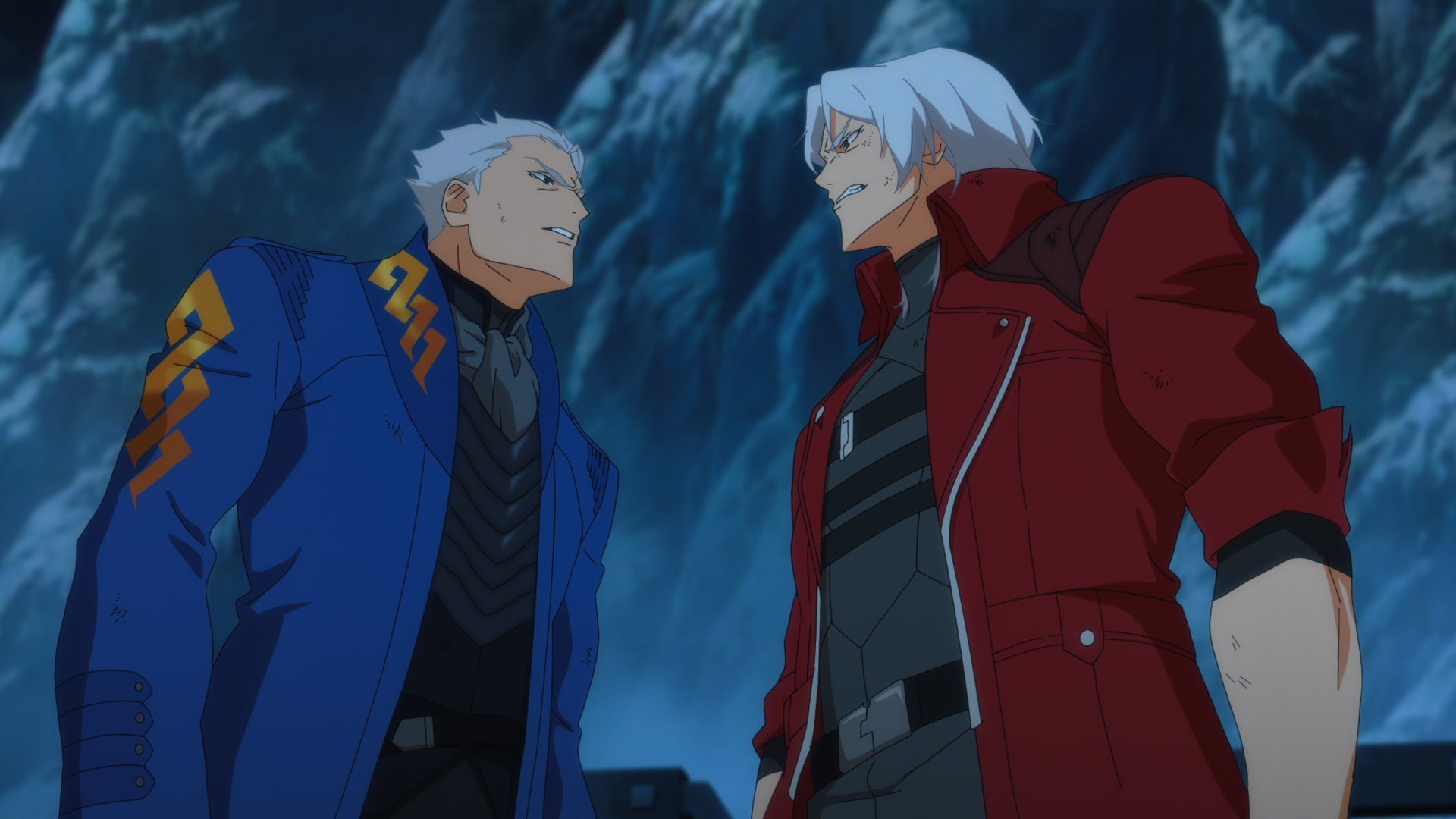
If Season 1 was about Dante finding his footing in a modern "war on demonic terror," Season 2 belongs entirely to his twin brother. The introduction of Vergil is handled with the stoic gravity fans have craved since the 2021 announcement. Voiced with commanding presence by Robbie Daymond, Vergil serves as the perfect foil to Johnny Yong Bosch’s Dante.
A Dynamic Duo of Style
The chemistry between Dante and Vergil is the emotional anchor of the season.
- The Destined Collision: The show explores Vergil’s motivations and the sinister forces manipulating him from the shadows, leading to a collision course that feels earned rather than rushed.
- The Past Revealed: Season 2 dives deeper into the shared history of the Sons of Sparda, providing much-needed context to their eternal sibling rivalry.
- Voice Mastery: Robbie Daymond and Johnny Yong Bosch deliver "jackpot" performances, capturing the over-the-top spectacle and surprisingly tender moments that define the franchise.
Redeeming Devil May Cry 2: The Arius Transformation
The most shocking achievement of 2026 is the show's ability to salvage Devil May Cry 2. Widely considered a "dreadful departure" for the series due to its rushed development and charisma-free Dante, the anime takes the infamous game's elements and breathes new life into them.
Arius: From One-Note to Mastermind
The season’s primary antagonist, Arius, is no longer the forgettable megalomaniac of the 2003 sequel. Reimagined as a fleshed-out villain with grand designs of godhood, Arius—voiced by the veteran Graham McTavish (Outlander)—is the architect of chaos. Allied with the zealous Vice President Baines (portrayed by Ian James Corlett), Arius utilizes his Uroboros Corporation and mystical Arcana to outmaneuver the heroes at every turn.
By raising the stakes with the looming threat of Argosax the Chaos, the series brings out the best of an infamous game, proving that showrunner Adi Shankar has a firm, respectful grip on the lore. It is a redemption arc not just for characters, but for a piece of gaming history.
Animation Excellence: Studio Mir’s Visual Symphony
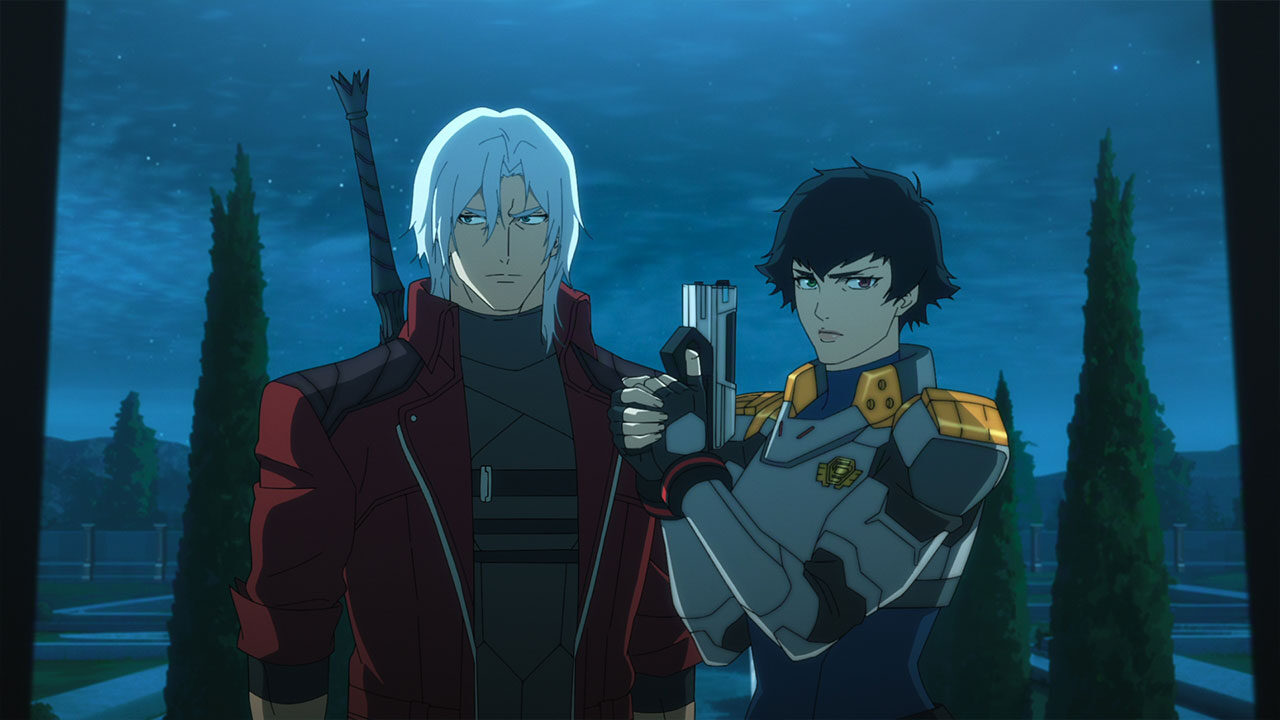
Studio Mir remains at the top of their game in 2026. The animation style is a stunning blend of 2D artistry and intense, fluid choreography. Every action scene is a spectacle, set to a nostalgic yet fresh 2000s numetal and rock soundtrack that amplifies the intensity of the battles.
Experimental Storytelling
The second episode of Season 2 is a standout, daring to break the traditional narrative mold. It shifts between:
- Documentary-Style Interviews: Providing a "ground-level" view of the demonic war.
- Mixed Animation Styles: Using alternate viewpoints to illustrate the erupting chaos.
- Wordless Narrative: While not quite reaching the heights of Season 1's experimental Episode 6, it shows a creative team willing to push the boundaries of the medium.
The only minor setback is the occasional use of jarring 3D animation. While significantly less common than in the first season, certain 3D models still stand out against the beautiful 2D backgrounds. However, these moments are fleeting and do little to diminish the overall visual triumph.
Easter Eggs and Fan Service: A Love Letter to Capcom
For the hardcore DMC community, Season 2 is a treasure trove. The series is a celebration of the franchise’s 25-year history. From the inevitable "strawberry sundae" references to quick cameos of legacy characters, the show feels like it was made by fans, for fans.
The integration of the "US War on Demonic Terror" gives the series a modern, grounded feel without losing the "Rule of Cool" that defines the IP. With a literal cowboy president at the helm of the human resistance, the show leans into the campy, stylish numetal phase of storytelling that perfectly fits the *Devil May Cry* brand.
"Season 2 doesn't just adapt Devil May Cry; it elevates it. It proves that there are no bad games, only stories waiting for the right storyteller."
Conclusion: The Best Game Adaptation of 2026?
Devil May Cry Season 2 succeeds because it trades setup for momentum. By removing the need for exposition, the season hit the ground running with eight episodes of "all gas, no brakes" action. It manages to balance high-octane spectacle with a tightly crafted story and genuine character growth for Lady, Dante, and especially Vergil.
Whether you’re a long-time fan who suffered through the original *DMC2* or a newcomer attracted by Studio Mir's gorgeous art direction, Season 2 is an essential watch. It surpasses its predecessor in every way, delivering a superb experience that cements the Sons of Sparda as the kings of 2026 animation.
Key Features Checklist:
- Platform: Netflix (Season 2 Out Now).
- Studio: Studio Mir.
- Cast: Johnny Yong Bosch (Dante), Robbie Daymond (Vergil), Graham McTavish (Arius).
- The Good: Redemption of DMC2 lore, Vergil’s arrival, stunning action, and McTavish's performance.
- The Bad: Rare but noticeable 3D CG animation clashing with 2D.