The Best Custom Miis in Tomodachi Life
Tomodachi Life Living the Dream Best Mii Creations: The Wildest and Most Impressive Designs in 2026
Looking for the absolute best Mii designs and island codes? Read our definitive 1,500-word Tomodachi Life: Living the Dream creations showcase! Discover Baldur's Gate 3 Miis, custom textures, and viral custom treasures.
The year 2026 has witnessed an extraordinary, paradigm-shifting revival for one of Nintendo's most beloved, uniquely chaotic simulation intellectual properties. When the original quirky life simulator dropped on legacy handheld systems, it captured a dedicated cult following by allowing players to dump their friends, favorite celebrities, and fictional characters onto a secluded island to watch them form bizarre relationships, start ridiculous arguments, and sing customized techno songs. However, the sudden, massive global deployment of Tomodachi Life: Living the Dream in the spring of 2026 has completely blown past its predecessor's structural boundaries, granting the community an uncompromised, almost mind-blowing degree of creative freedom.
Exactly a month and a half into its highly successful release cycle, the sandbox has transformed into a viral goldmine of player-driven expression. Armed with highly advanced in-game toolkits—including precise custom facepaint layers, complex multi-piece clothing assets, modular furniture building configurations, and high-fidelity exterior landscaping tools—creative players are redefining what can be accomplished within a blocky Mii framework. Furthermore, with the mainstream integration of innovative player-made digital design utilities like Living the Grid, even players who lack professional pixel art backgrounds are comfortably translating real-world everyday objects into flawless, automated in-game replicas. In this comprehensive, long-form 1,500-word showcase review, we deconstruct the funniest, wildest, and most technically jaw-dropping community creations floating across the internet, analyzing how modern hardware has turned a simple Mii channel into an absolute masterpiece of contemporary digital design.
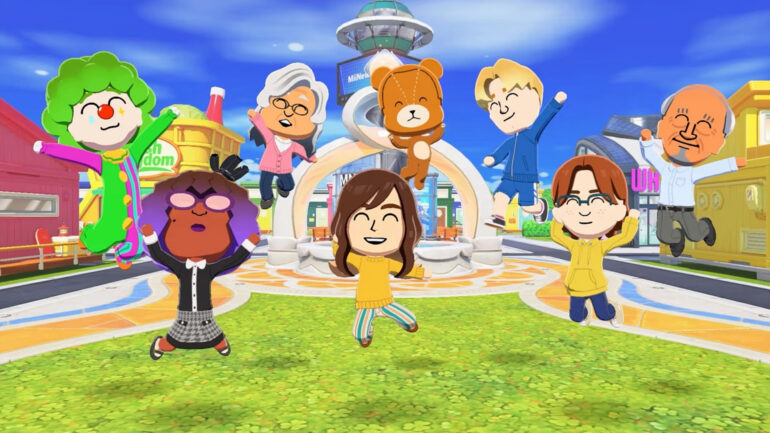
The Pop Culture Sandbox: From Baldur's Gate 3 to Shrek Insanity
The absolute centerpiece driving the viral traction of *Tomodachi Life: Living the Dream* across platforms like Reddit and YouTube is the community's relentless drive to reconstruct complex cinematic and gaming character rosters within the upgraded Mii creation engine. Because the 2026 client expands structural face-sculpting matrices and custom coloring variables, users are no longer limited to basic smiling avatars.
A premier exhibition of this mechanical evolution was recently deployed by a popular content creator going by the handle Whisky, who uploaded a viral, high-velocity showcase detailing their immaculate Baldur's Gate 3 character collection. The video highlights an incredibly detailed, green-skinned *Lae'zel Mii* sporting custom hand-painted martial markings, alongside highly accurate replicas of Astarion, Gale, Karlach, and a deeply grumpy Shadowheart. Most impressively, the builder leveraged the game's newly overhauled companion pet interface to construct a customized island animal explicitly modeled after everyone's favorite multi-tentacled Intellect Devourer party member, *Us*. This high tier of fidelity is mirrored across more absurd corners of the web, such as a hilarious viral double-pack featuring the corporate *Green M&M* mascot living in a shared apartment complex right next to a green-skinned, bleach-blonde version of legendary rapper *Eminem*, setting off a storm of relationship speculation across community forums.
Advanced Customization: Deconstructing Hand-Painted Textures and Ear Physics
To truly comprehend the depth of *Living the Dream’s* toolset, one must analyze the hyper-detailed creations that actively push past default structural options. While legacy customization modules restricted players to pre-compiled geometry blocks, the 2026 engine opens up advanced layering software that acts like a miniature vector graphics program right inside your console.
A magnificent demonstration of this granular freedom is a viral post by user /u/DatCurlyPal, who successfully ported Feldspar from the outer-space indie darling The Outer Wilds into the simulation. To replicate the distinct, multi-eyed alien physiology of a Hearthian, the creator utilized real Mii eyes for the top row, while manually painting the lower set of functioning optical spheres, facial scars, dense freckles, and specific skin textures directly onto the avatar’s facial canvas using the custom layer tool. Furthermore, the construction completely outmaneuvered the system's baseline ear limitations. While Nintendo natively includes a sharp "elf ear" toggle in the 2026 build, it only renders sharp upward tips. To capture Feldspar's specific anatomy, the author handcrafted a custom frayed texture file and anchored it to the lower base coordinates of the ears, setting a brand-new mechanical precedent for indie character asset replication.
The Whimsical and the Grotesque: The Miracle of Genetic Procreation
Beyond manual player builds, *Tomodachi Life: Living the Dream* features an incredibly sophisticated, highly unpredictable dynamic relationship and reproduction engine that is yielding some of the absolute wildest, most bone-chilling autonomous creations ever generated by an artificial intelligence simulation system.
Consider the terrifying case of Princess Beach (a dark, unintended twist on the infamous Death Stranding cinematic phrase). As documented by user /u/These_Weird3314, this bizarre hybrid lifeform was entirely auto-generated by the game client after their custom Princess Peach and Bowser Miis fell in love, married, and successfully triggered a procreation event. Named officially by the system as "Fallon," this astonishing lovechild blends the clean royal lines of Peach with the spiky, heavy reptilian features of Bowser, creating a visual anomaly that completely eclipses internet history memes like Bowsette or Elephant Rosalina in pure nightmare fuel energy. Conversely, other builders are using manual painting mechanics to cultivate surreal aesthetic concepts—such as the viral creator /u/Shrubland, who dropped a series of high-performance videos showing how they constructed *Mr. Puppy, Ms. Kitty, and Dr. Turtle*: a collection of hyper-realistic local animals that appear to be actively piloting high-tech robotic Mii bodies through clever placement of custom facepaint masks.
| Viral 2026 Mii Creation Instance | Primary Sourcing Community Channel | Key Creation Tool Variant Utilized | Mechanical / Random RNG Highlight |
|---|---|---|---|
| Baldur's Gate 3 Crew (Lae'zel / Us) | YouTube (Whisky Archive Channel) | Companion Pet Customizer & Hand-Marking Vectors | Shadowheart displays active procedural distaste whenever Us walks by. |
| Feldspar (The Outer Wilds) | Reddit (/u/DatCurlyPal Thread) | Multi-Layer Paint Tool & Custom Vector Ear Grids | Lower eyes and frayed lower ear lobes are 100% handcrafted. |
| Princess Beach ("Fallon") | Reddit (/u/These_Weird3314 Drop) | Autonomous RNG Procreation Algorithm | Direct hybrid fusion born automatically from Bowser and Peach Miis. |
| The D'oh-nut Homer Simpson | Reddit (/u/nindieredd Hub) | Custom Hair Volume Shifting & Shading Overlays | Hit absolute maximum RNG luck by rolling donuts as his automated favorite food item. |
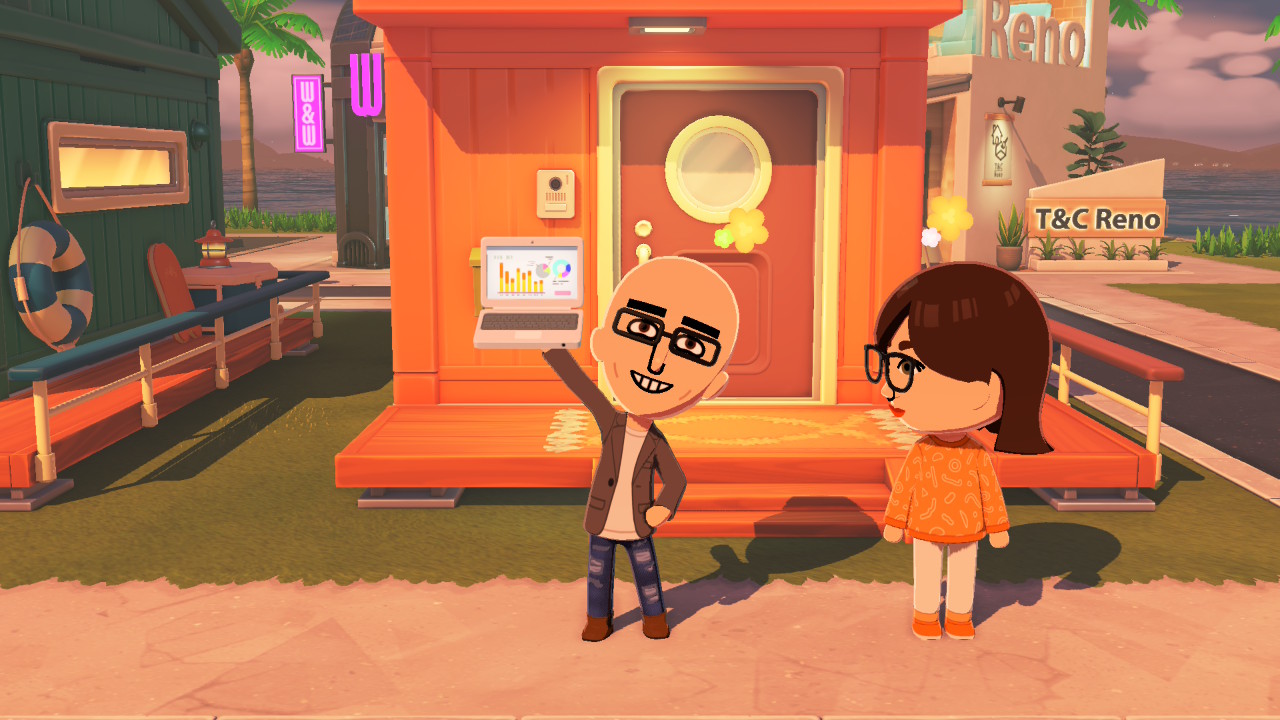
The Archivist Matrix: Custom Music Albums and Political Manifestos
What truly elevates the longevity of *Living the Dream’s* gameplay loop into an absolute masterclass of contemporary sandbox design is the fact that customization options extend far beyond the physical bodies of your island citizens. The game introduces a comprehensive Custom Treasure Creation Engine that allows players to function as digital archivists, painting and itemizing localized culture into the simulation's asset database.
A premier showcase of this itemization freedom was put on display by user /u/iluvmydog96, who populated their island’s shopping centers with an extraordinary, highly eclectic array of completely player-built inventory items. Rather than gathering default gems or basic gold coins, their islanders can collect, gift, and trade highly detailed, hand-rendered replicas of iconic modern cultural touchstones, including a perfect pixel-art recreation of Charli XCX’s hit 2024 album *Brat*, a functional 3D block-built model of BMO from *Adventure Time*, a vintage copy of the first book in the *Twilight* vampire romance series, and even a completely hand-drawn digital copy of *The Communist Manifesto*. This incredible level of item control allows users to turn their isolated islands into a surreal time capsule of human history, tailoring the shopping loops to match the exact cultural tastes of their gaming pods.
The Cartographic Canvas: Reshaping the Island Layout Grid
Finally, the creative community has completely broken out of traditional landscape constraints by targeting the actual geographical foundations of the game world. In legacy iterations of the franchise, your central island’s macro shape remained locked to a generic, square landmass structure, forcing users to squeeze their growing roster of residential complexes into a highly limited, boring real estate grid.
The 2026 title completely destroys this structural limitation, unlocking full **Geographical Cartography Customization** parameters. A standout masterwork illuminating this feature-set was dropped by user /u/SprinklesOnTurtles, who systematically rejected the baseline square island layout to engineer a gorgeous, hyper-complex, and perfectly symmetrical floating kingdom. By utilizing the advanced terrain manipulation grid, they sculpted the outer shoreline borders of the island into elegant, repeating flourishes representing stylized hearts, celestial moons, geometric stars, decorative bows, and full, adorable silhouettes of bunny rabbits. This degree of structural control turns the entire map into a massive piece of graphic art, elevating *Tomodachi Life: Living the Dream* into one of the absolute greatest triumphs of player-centric sandbox engineering ever deployed on a home console.
"Tomodachi Life: Living the Dream successfully transforms the simple legacy Mii channel into an absolute masterpiece of contemporary digital design, proving that absolute player freedom can turn any sandbox into a brilliant artistic canvas."
Conclusion: The Ultimate Celebration of Human Creativity in 2026
Ultimately, our comprehensive critical review and tracking data surrounding Tomodachi Life: Living the Dream’s community creations confirms that this lifestyle simulation is a spectacular, deeply memorable triumph for interactive entertainment in 2026. By masterfully matching a deeply nostalgic, lighthearted relationship engine with hyper-advanced paint customization layers, free-form island cartography tools, and an expansive custom treasure asset builder, Nintendo has delivered an unparalleled playground for human imagination.
While the game's radical, non-linear reliance on user-generated content and chaotic random RNG relationship algorithms will undoubtedly feel eccentric to mainstream demographics who demand traditional, high-octane linear campaigns, the sheer mechanical volume of high-quality fan service, immaculate visual fidelity, and endless avenues for viral expression guarantee it will maintain a massive, hyper-loyal concurrent following across the globe for years to come. Grab your digital stylus pens, calibrate your custom design grids, and fire up the creation engine today—the island is wide open, the height sliders are responsive, and your ultimate dream community is officially ready to be brought to life.
Tomodachi Life: Living the Dream Creation Fast Facts:
- Core Architecture / Publisher: Highly Advanced Lifestyle Simulation Sandbox / Nintendo.
- Signature Design Utilities: Multi-Layer Vector Facepaint, Asset Scaling Sliders, 3D Island Map Cartography.
- Community Design Tool Catalyst: Comprehensive utilization of the *Living the Grid* precise layout framework.
- Primary Narrative Elements: Completely unscripted, autonomous relationship, marriage, and hybrid child generation loops.
- Key Meta-Progression Overhaul: Custom Treasure Creation Engine allowing full integration of real-world media art blocks.