The Power of Green: Why The Guardian of Nature Is More Than Just a Charming Adventure
The Guardian of Nature Review: Can This Beautiful Solarpunk Adventure Save Our Planet?
Read our review! Discover Inlusio Interactive’s 2026 hand-drawn solarpunk adventure on Steam, its unique size-shifting puzzles, and its real-world environmental partnerships.
The year 2026 has been a massive turning point for artistic expression in interactive entertainment. In an era where digital storefronts are increasingly flooded with automated, mass-produced assets and generative algorithms, a breathtaking indie project has arrived to remind us of the unparalleled power of the human touch. Developed by the visionary team at Inlusio Interactive, The Guardian of Nature officially celebrated its 1.0 full version launch on Steam on May 21, 2026. This milestone arrives after a grueling, highly dedicated seven-year production cycle and a highly successful one-year stint in Steam Early Access.
Fusing the classic, nostalgic mechanics of point-and-click adventure games with a forward-thinking, optimistic solarpunk aesthetic, *The Guardian of Nature* stands out as an absolute treat for the eyes. But it is far more than a mere visual showcase. Built in direct collaboration with leading environmental scientists, this linear three-episode epic functions as an interactive educational masterclass designed to foster deep systemic thinking in both children and adults. In this comprehensive 1,500-word review, we explore the game's magnificent hand-drawn world, its perspective-warping size-shifting mechanics, and how its launch-week partnership is actively helping to protect vulnerable real-world ecosystems.
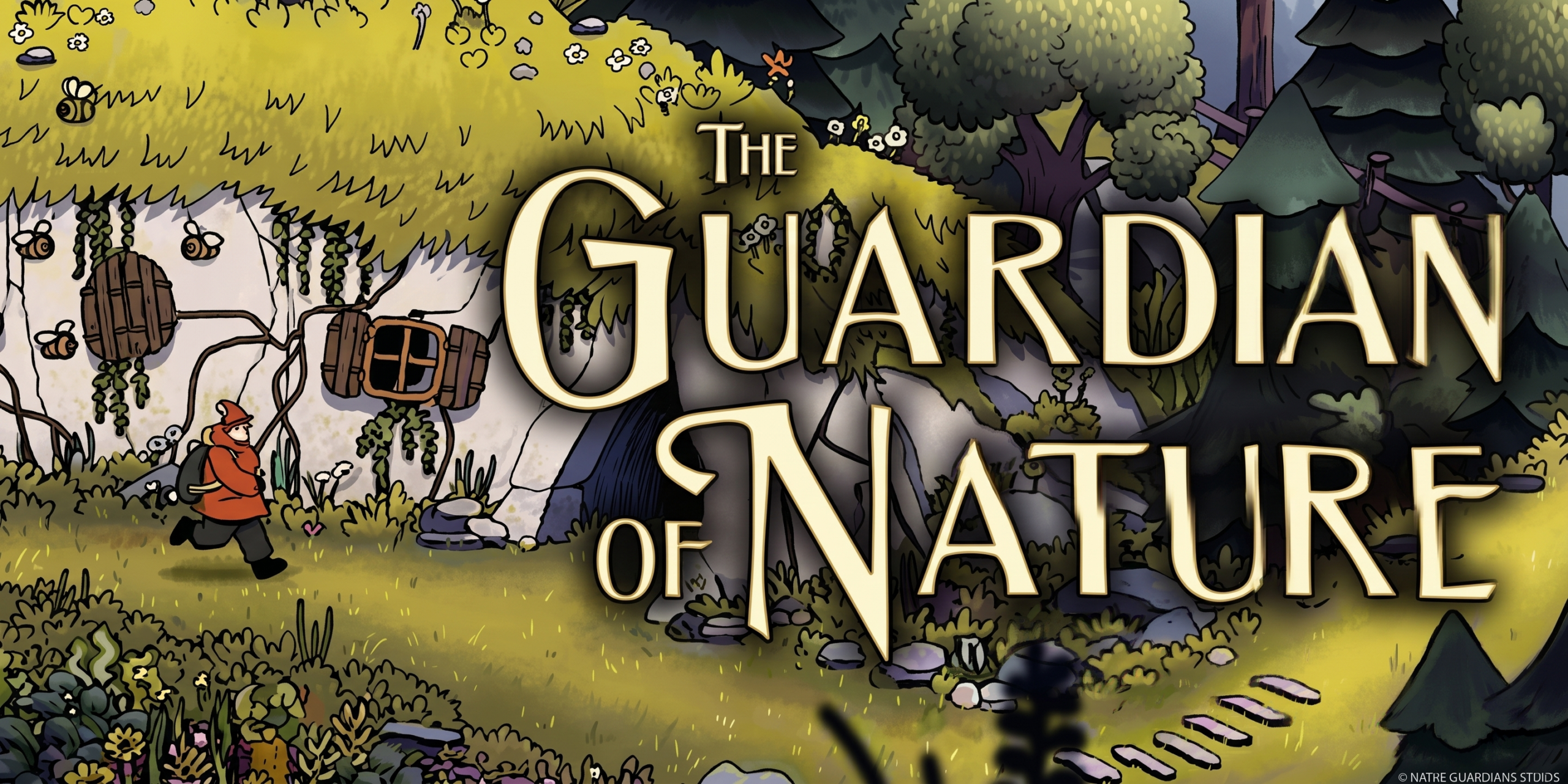
The Visual Triumph: The Power of 100% Hand-Drawn Art
The second you boot into the world of *The Guardian of Nature*, the sheer scale of craftsmanship on display is overwhelming. The game functions as a direct counter-cultural statement against modern automated design trends, prioritizing rich tactile details that can only be achieved through meticulous human illustration. Every single asset—from towering canopy structures to microscopic soil layers—has been hand-drawn from scratch by the studio’s dedicated art team.
The Magic of Luminescent Details
The visual identity relies heavily on organic, atmospheric lighting choices that give the ecosystem a living, breathing personality.
- Emissive Glowing Lichen: Cavern walls and ancient roots are illuminated by gorgeous, hand-painted luminescent moss that reacts dynamically as your character approaches.
- Textured Environmental Depth: The multi-layered backgrounds utilize rich watercolor and pencil textures, creating a stunning interactive storybook feel that pops beautifully on high-resolution displays.
- Fluid Character Expressions: The game features highly expressive, hand-framed animation loops for every creature, insect, and plant lifeform, making the simple act of looking at a scene endlessly rewarding.
This commitment to traditional illustration ensures that the world feels intimate and authentic. It is an aesthetic choice that perfectly mirrors the game's core solarpunk values—a subgenre defined by its beautiful, green-infused technology, ecological balance, and an optimistic vision of humanity living in harmony with the natural environment.
The Launch Window: Earth Day and Global Eco-Partnerships
Inlusio Interactive’s decision to lock down May 21, 2026, as their definitive full-release date was a highly calculated, deeply meaningful choice. The 1.0 deployment is explicitly timed to coincide with Earth Day celebrations. Rather than treating this alignment as a simple marketing gimmick, the developers have integrated real-world activism directly into the commercial framework of the release.
From the game's launch on Earth Day through June 5, 2026—which marks the official observation of World Environment Day—*The Guardian of Nature* has formally partnered with PlanetPlay’s highly acclaimed Battle for the Habitats initiative. A significant portion of the revenue generated from game purchases and DLC soundtracks during this high-visibility window is funneled directly into verified global charity projects. These funds are actively deployed to purchase land, enforce anti-poaching protocols, and reforest vulnerable, endangered ecosystems across the globe. For gamers looking to make a positive real-world impact with their entertainment capital, this setup transforms a standard digital purchase into an act of direct ecological preservation.
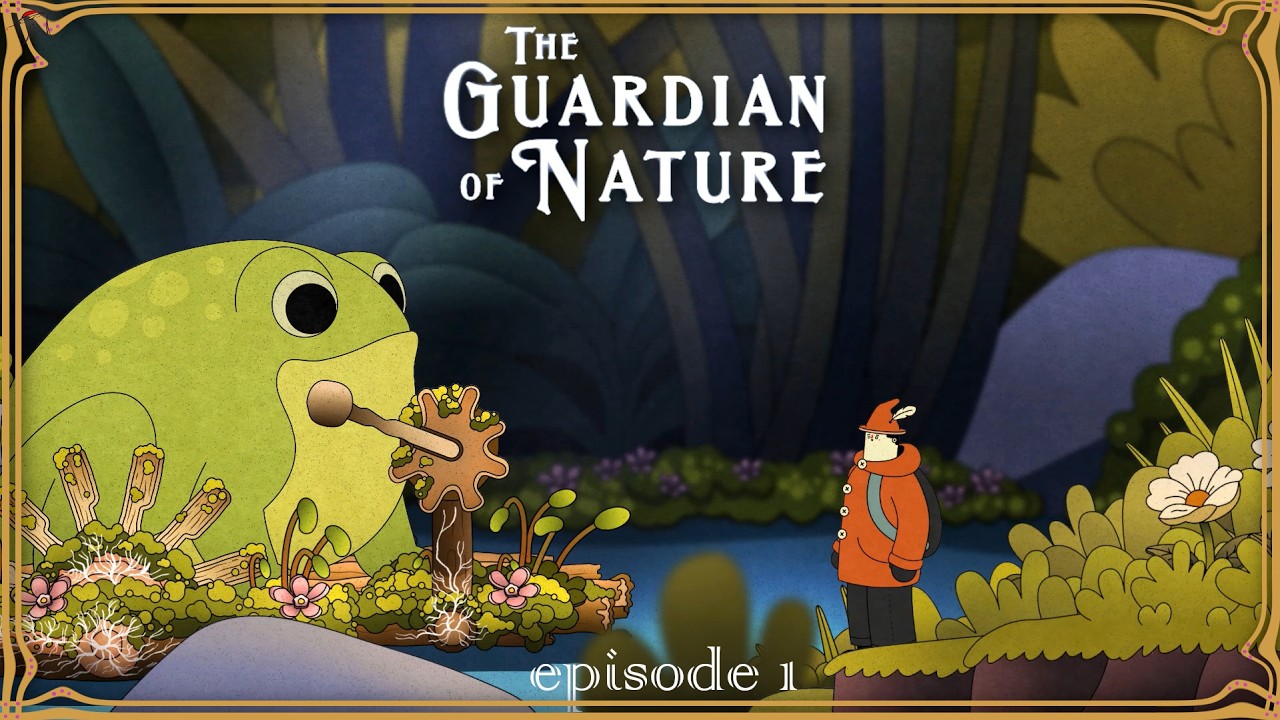
Scientific Integrity: An Educational Game with True Substance
Historically, educational video games have struggled to find a balance between teaching and entertainment, often sacrificing engaging gameplay loops for clinical, dry text dumps. *The Guardian of Nature* completely shatters this stereotype by embedding its pedagogical goals directly into its primary narrative and puzzle structures.
The developers worked hand-in-hand with field biologists, botanists, and ecological scientists across their seven years of production. The resulting narrative avoids preaching down to its audience, opting instead to subtly introduce players to the complex concepts of systemic thinking. The game brilliantly illustrates how every micro-organism, water current, fungal network, and weather pattern is inextricably connected within the macro-biosphere. By solving puzzles that directly manipulate these relationships, players absorb genuine ecological science organically, making it an invaluable tool for classrooms and cozy home gaming setups alike.
Gameplay Loop: Perspective-Warping Point-and-Click Puzzles
Mechanically, *The Guardian of Nature* is a beautiful love letter to the golden era of LucasArts and Sierra adventures, streamlined with modern quality-of-life adjustments. The entire experience unfolds across three meticulously structured, linear episodes following the magical journey of a dedicated botanist named Henry, who bears the legendary mantle of the Guardian of Nature.
The Size-Shifting Dynamic
The core puzzle mechanic driving Henry's quest to save the mystical, dying Tree of Life is his supernatural ability to dynamically alter his physical size at will. This perspective-shifting mechanic creates incredible "ah-ha" moments that completely reframe how you analyze your surroundings:
| Henry’s Physical Scale | Exploration Zone & Perspective | Puzzle Solving & Mechanical Focus |
|---|---|---|
| Human Scale (Macro) | Surface forests, canopy layers, and sprawling riverbank biomes. | Clearing major structural blockades, redirecting water channels, and managing large-scale mechanical solarpunk technology. |
| Microscopic Scale (Micro) | Subterranean root systems, interior flower structures, and microscopic soil pockets. | Navigating complex cellular grids, interacting with individual insects, repairing localized fungal networks, and analyzing root health. |
This size-altering structure requires players to think laterally across different scales. A massive, impassable obstacle encountered while walking through the forest at human scale can easily be solved by shrinking down to the size of an ant, traveling underneath a boulder through a subterranean mole tunnel, and repairing a localized root system from within the soil grid. The inventory tracking system is kept clean and accessible through a modular backpack UI, allowing players to collect organic items, combine materials, and apply them to environmental obstacles effortlessly.
The Archivist Meta: Collecting Nature Cards
To supplement the linear progression of the narrative, the game incorporates a highly addictive, deeply informative collection system centered around the Book of Nature. As Henry explores the deep-set corners of both the upper and lower biomes, players can discover hidden, glowing collectibles known as Nature Cards.
When a card is uncovered and logged, it permanently expands the text inside your Book of Nature, filling the journal with highly detailed scientific profiles, beautiful concept art sketches, and real-world facts regarding the specific flora and fauna of that biome. Beyond satisfying the urges of completionist players, the Nature Cards serve a vital gameplay utility: the text descriptions within the logged cards are laced with subtle, highly clever contextual hints. If you ever find yourself stuck on a complex solarpunk valve puzzle or unsure how to coax a specific nocturnal insect into helping you clear a path, opening your book and reviewing your collected cards will naturally point you toward the correct logical trajectory.
"The Guardian of Nature doesn't just ask us to look at the beauty of our world; it forces us to step inside its cellular veins and actively participate in its survival."
Conclusion: The Defining Cozy Indie Release of May 2026
Ultimately, The Guardian of Nature is a magnificent, deeply moving triumph for independent game development. By marrying a flawless, hand-drawn art style with a highly rewarding point-and-click puzzle loop and genuine, uncompromised scientific data, Inlusio Interactive has crafted an absolute masterpiece for the 2026 holiday calendar.
While its strictly linear three-episode structure means the campaign wraps up cleanly without massive branching deviations, the incredible visual detail of its glowing lichen, the charm of Henry's size-shifting traversal, and the massive real-world impact of its Battle for the Habitats partnership make it a mandatory day-one purchase on Steam. Whether you are an adult seeking a relaxing, cozy evening escape or a parent looking to introduce your children to the beautiful complexities of ecological science, this solarpunk journey demands a spot in your digital library. Clear out your backpack, open up the Book of Nature, and prepare to protect the Tree of Life—the harvest is ready, and our planet is waiting.
The Guardian of Nature Fast Facts:
- Developer / Publisher: Inlusio Interactive.
- Full Release Date: May 21, 2026 (Earth Day Launch).
- Platform Availability: PC via Steam (1.0 Out Now).
- Art Direction: 100% Hand-Drawn Retro-Modern Solarpunk Illustrations.
- Active Charity Windows: Partnered with PlanetPlay from May 21 through June 5.
- Core Systems: Macro/Micro Size Shifting, Point-and-Click Inventories, and Nature Card Logging.