The Sinking City 2 Review: A Survival Horror Shift That Struggles to Stay Afloat
The Sinking City 2 Review: Does the Shift to Survival Horror Sink or Swim in 2026?
Dive into our definitive The Sinking City 2 review. Explore Frogwares' pivot to survival horror on PS5 and PC, the new protagonist Calvin Rafferty, and whether the 2026 sequel lives up to the Lovecraftian hype. Is it a Resident Evil killer or just treading water?
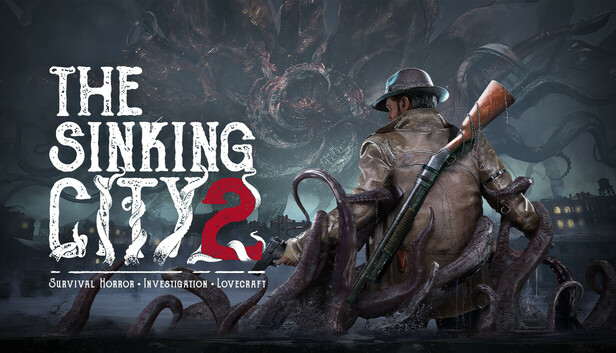
The original The Sinking City was an ambitious, if flawed, swing for the fences. It attempted to marry open-world exploration with deep detective mechanics, creating a Lovecraftian sandbox that felt truly unique, even when its combat felt stiff. Now, in 2026, The Sinking City 2 has arrived, but it brings with it a radical identity shift. Developer Frogwares has traded the open-world investigation for a more focused, linear survival horror experience.
While this move follows the blueprint of modern genre giants like Alan Wake 2 and the Resident Evil remakes, it begs a crucial question: Has Frogwares sacrificed its soul to chase a trend? After a deep dive into the flooded streets of Arkham, our review explores whether this 2026 sequel delivers true cosmic terror or simply treads water in a sea of familiar mechanics.
A New Protagonist: The Tale of Calvin Rafferty
One of the biggest departures in The Sinking City 2 is the introduction of a new lead. Say goodbye to Charles Reed; in 2026, we follow Calvin Rafferty. Rafferty is a rugged, Indiana Jones-esque occult adventurer, complete with a fedora and a leather jacket. He’s joined by Faye Bennett, his partner in both life and supernatural excavation.
The story kicks off with a ritual gone wrong. Attempting to enter the mysterious "Dreamlands," the duo faces a catastrophic failure. Calvin returns with his memory wiped, while Faye falls into a deep, supernatural coma. This setup provides the emotional anchor for the game: Calvin must navigate the flooded 1920s fictional US city of Arkham to find a way to bring Faye back. It’s a classic romantic tragedy wrapped in a layer of cosmic horror, and it’s easily the most compelling part of the narrative.
Survival Horror Mechanics: The Checklist Approach
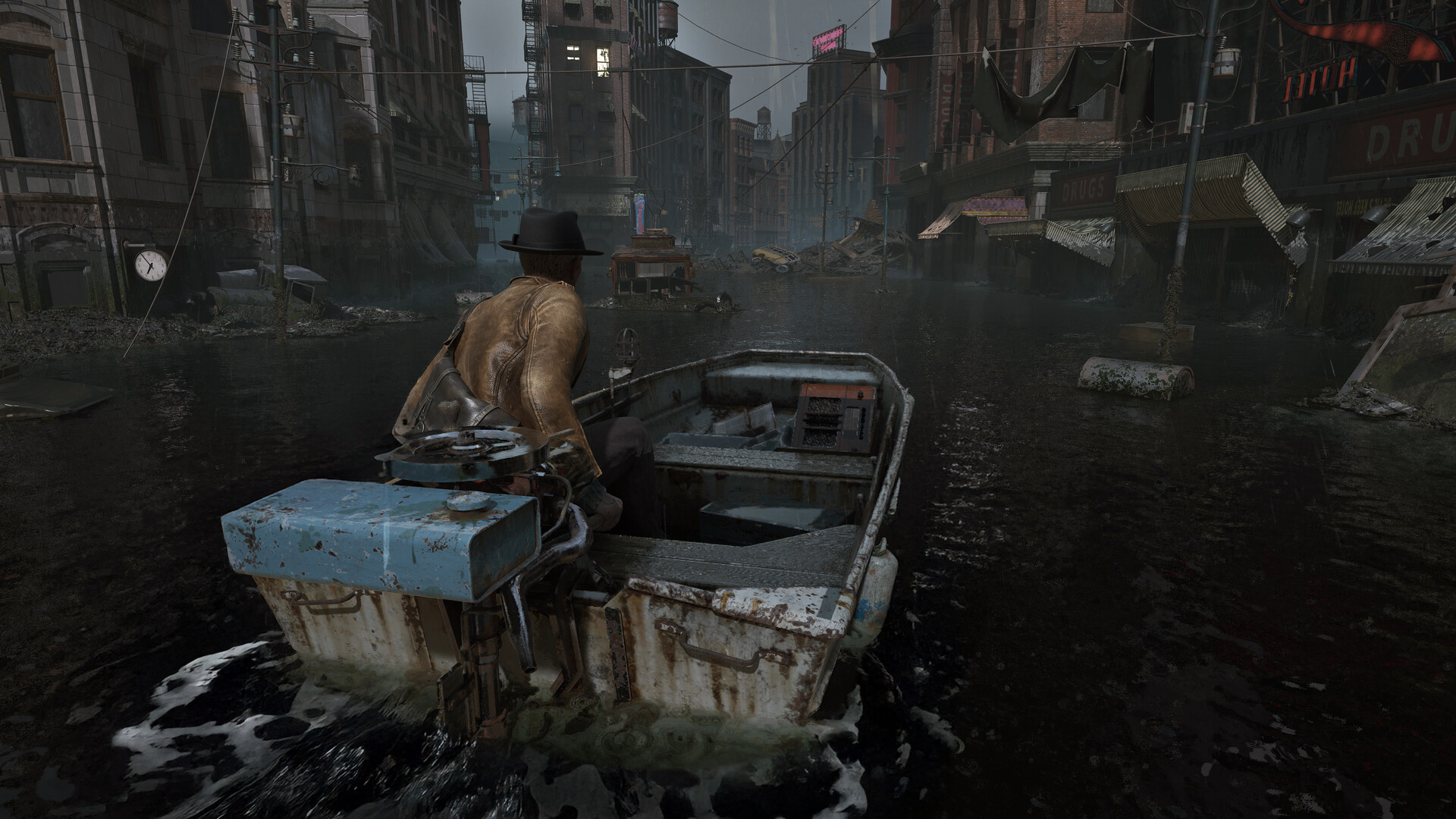
The gameplay of The Sinking City 2 feels like a "greatest hits" of the survival horror genre post-2020. Frogwares has whittled down the massive open world into confined, labyrinthine environments. You will spend your time navigating a spooky hospital, a decaying library, and a fog-drenched graveyard.
The Survival Horror Checklist:
- Inventory Management: Limited slots force you to prioritize ammo, health, and key items.
- Locked Doors: The classic "locked from the other side" trope is alive and well here.
- Safe Rooms: Rooms with calming music and storage chests provide a brief respite from the darkness.
- Scarce Resources: Ammo is a luxury, forcing you to make every shot count.
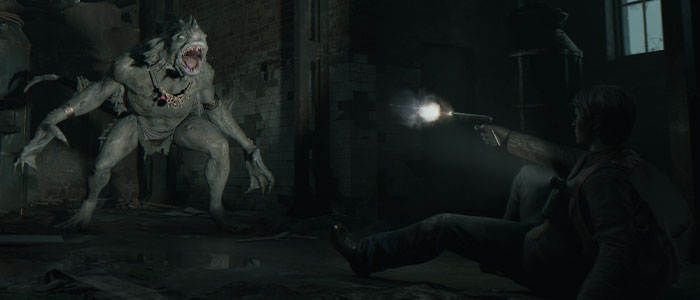
While these systems are functional and intuitive, they often feel "rote." For veterans of Silent Hill or Resident Evil, the gameplay loop might feel like walking through a familiar dream. The enemies—shambling zombies and spider-like Stygians—have obvious glowing weak spots (buboes) that take the guesswork out of combat. While the gunplay is more polished than the first game, it can still feel somewhat stiff compared to the genre's top-tier contenders.
The Investigation Board: A Supporting Role
Frogwares is famous for its detective mechanics, and while the "Mind Palace" returns in the form of a metaphysical Investigation Board, it has been scaled back. You can collect evidence, link threads together, and organize them on a visual board. Linking pieces correctly will glow green, revealing locker combinations or enemy weak spots.
However, this system feels largely optional. Unlike the Sherlock Holmes games, where deduction was the main attraction, detective work in The Sinking City 2 serves as a supporting role to the combat and exploration. For fans who loved the first game's emphasis on "being a detective," this limitation might feel like a step backward.
"The Investigation Board is intuitive and functional, but it lacks the weight of Frogwares' previous outings. It feels like a visual aid for a game that is now more interested in shooting than thinking."
Visuals and Atmosphere: Arkham in 2026
Developed on Unreal Engine 5, The Sinking City 2 is a visual triumph of atmosphere. The flooding of 1920s Arkham is rendered with incredible detail. The water effects, the way the fog rolls over the docks, and the lighting in the claustrophobic hallways create a sense of creeping unease.
The city feels like a character of its own—drowning, decaying, and hostile. On PlayStation 5 and high-end PCs, the performance is solid, though the game’s "Hard" difficulty doesn't always provide the tension that the visuals suggest. The enemy movement patterns are predictable, which can occasionally undermine the high-fidelity horror presentation.
Development Under Pressure: The Frogwares Legacy
It is impossible to discuss The Sinking City 2 without acknowledging the context of its creation. Frogwares is a Ukrainian studio based in Kyiv, and the game’s development has been impacted by the ongoing conflict. A message at the start of the game addresses this reality, and the "scaling back" in scope feels like a pragmatic reaction to the immense challenges the studio has faced.
By moving to a more linear, genre-standard survival horror model, Frogwares has created a "safer" game. It avoids the jank and underbaked systems of the first game's open world but also loses some of that "earnest ambition" that made the original so interesting to talk about.
Conclusion: An Imitation of Greatness?
The Sinking City 2 is a competent, atmospheric, and technically sound survival horror game. It checks all the boxes for a 2026 release, offering a compelling story of loss and memory wrapped in a beautiful Lovecraftian package. However, by adhering so strictly to the survival horror blueprint, it risks being overshadowed by the very games it seeks to emulate.
If you are a fan of the Lovecraftian mythos or looking for a solid horror experience with a touch of detective work, The Sinking City 2 is well worth your time. But if you were hoping for the next evolution of the detective genre, you might find this shift to survival horror a bit too predictable.
Pros:
- Emotional Narrative: The story of Calvin and Faye is genuinely moving.
- Atmospheric Visuals: The flooded 1920s setting is masterfully realized.
- Polished Systems: The combat and inventory systems are functional and familiar.
- Creative Setting: Arkham remains one of the best locations for cosmic horror.
Cons:
- Uninspired Design: Feels like a checklist of survival horror tropes.
- Reduced Detective Work: The Investigation Board feels like an afterthought.
- Predictable Combat: Obvious weak spots and patterns reduce the tension.
- Linear Scope: Lacks the ambitious "big swing" of the first game.
Final Score: 7.0/10 - "Good"
The Sinking City 2 is a safe, atmospheric pivot into survival horror. It’s a solid entry for 2026, even if it feels more like an imitation of the genre's best magic tricks rather than a new one of its own.
The Sinking City 2 is available later this year on PC, PlayStation 5, and Xbox Series X|S.