TOMODACHI LIFE: LIVING THE DREAM
Tomodachi Life: Living The Dream Is A Sales Phenomenon: Why The World Is Obsessed With Miis Again
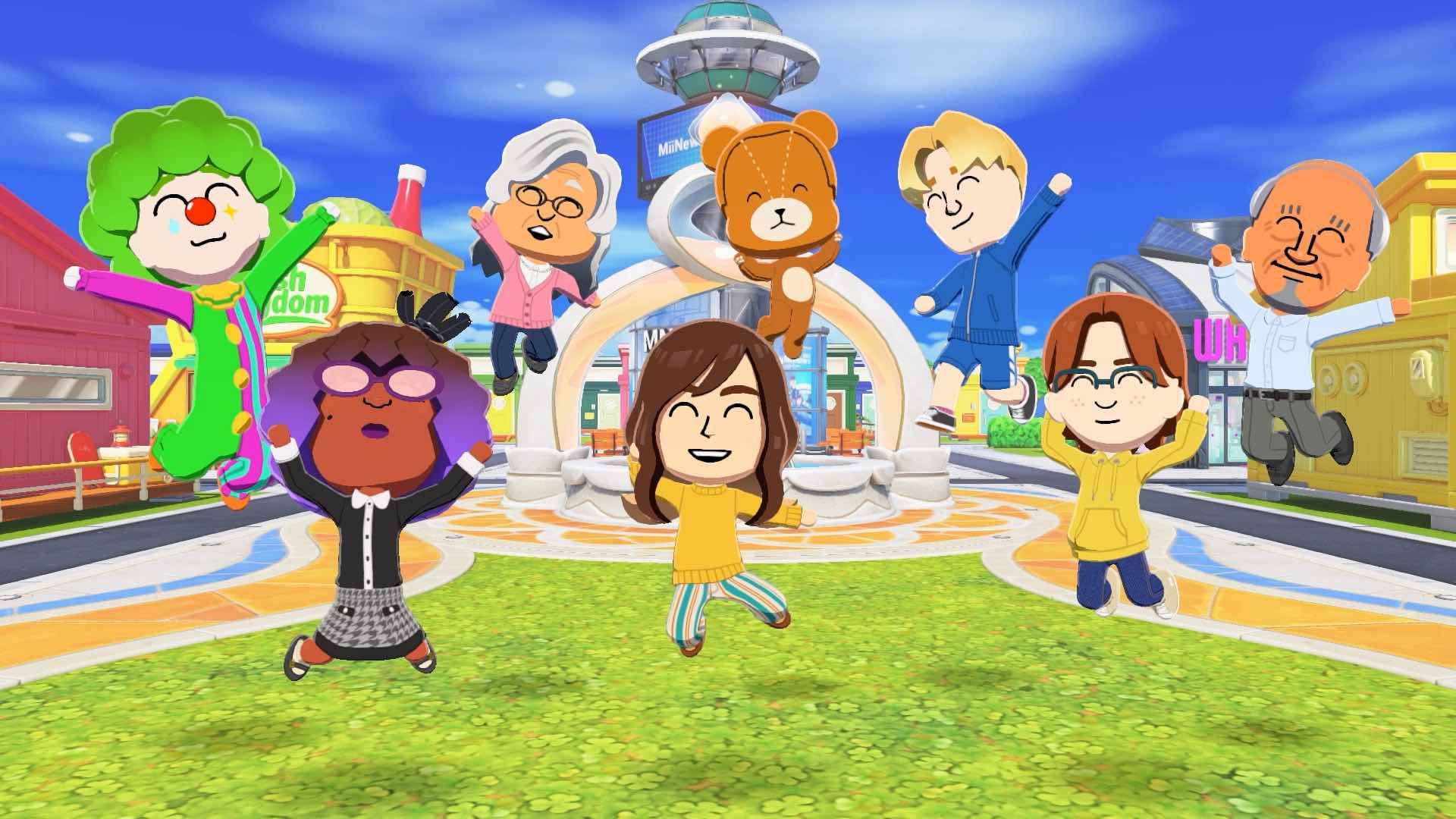
In a gaming landscape often dominated by hyper-realistic graphics and high-stakes battle royales, Nintendo has once again proven that "weird" wins. Tomodachi Life: Living the Dream, the long-awaited sequel to the 2013 cult classic, has officially shattered sales expectations. In just 14 days following its April 16, 2026 release, the Switch exclusive has moved over 3.8 million units.
For a franchise that had been dormant for over a decade, these "gangbusters" numbers aren't just a fluke—they are a testament to a perfectly timed release and a masterclass in viral marketing. As Nintendo transitions its focus toward the highly anticipated "Switch 2," Living the Dream has emerged as the ultimate swan song for the original hardware.
Breaking Down the Numbers: A Fiscal Triumph
Nintendo’s latest financial reports for the fiscal year ending March 2026 revealed a company in a state of evolution. While hardware sales for the aging Switch are naturally slowing down as the world prepares for its successor, software performance remains ironclad.
The 3.8 million sell-through figure is particularly impressive when compared to other life simulation giants. To put it in perspective, it is outperforming many of the launch-window figures of its contemporaries. This success is fueled by a desperate hunger from a fanbase that has spent the last 11 years keeping the original 3DS title alive through memes and community-driven storytelling.
The "Switch 2" Factor
Interestingly, the success of Living the Dream comes at a time when Nintendo is tempering expectations for its next console. By delivering a heavy-hitting, social-focused title now, they have ensured that their current install base of over 140 million users remains engaged and spending. It’s a strategic bridge between generations that few other publishers could pull off.
The Viral Engine: Reddit, YouTube, and the Mii Renaissance
You cannot talk about the success of Living the Dream without mentioning the internet’s obsession with it. Unlike many modern games that rely on expensive cinematic trailers, Tomodachi Life generates its own marketing through player chaos.
- YouTube Dominance: Official reveal trailers and gameplay snippets have garnered tens of millions of views, but it’s the user-generated content—highlighting bizarre Mii marriages and surreal dream sequences—that has kept the game trending for weeks.
- Reddit Communities: The primary hub, r/tomodachilife, boasts over 1.7 million weekly visitors, while the newcomer r/TomodachilifeLivingTD is seeing exponential growth.
Players aren't just playing the game; they are documenting it. The "Mii" has moved past being a simple avatar; in 2026, it is a vehicle for digital improv comedy.
What Makes "Living The Dream" Different?
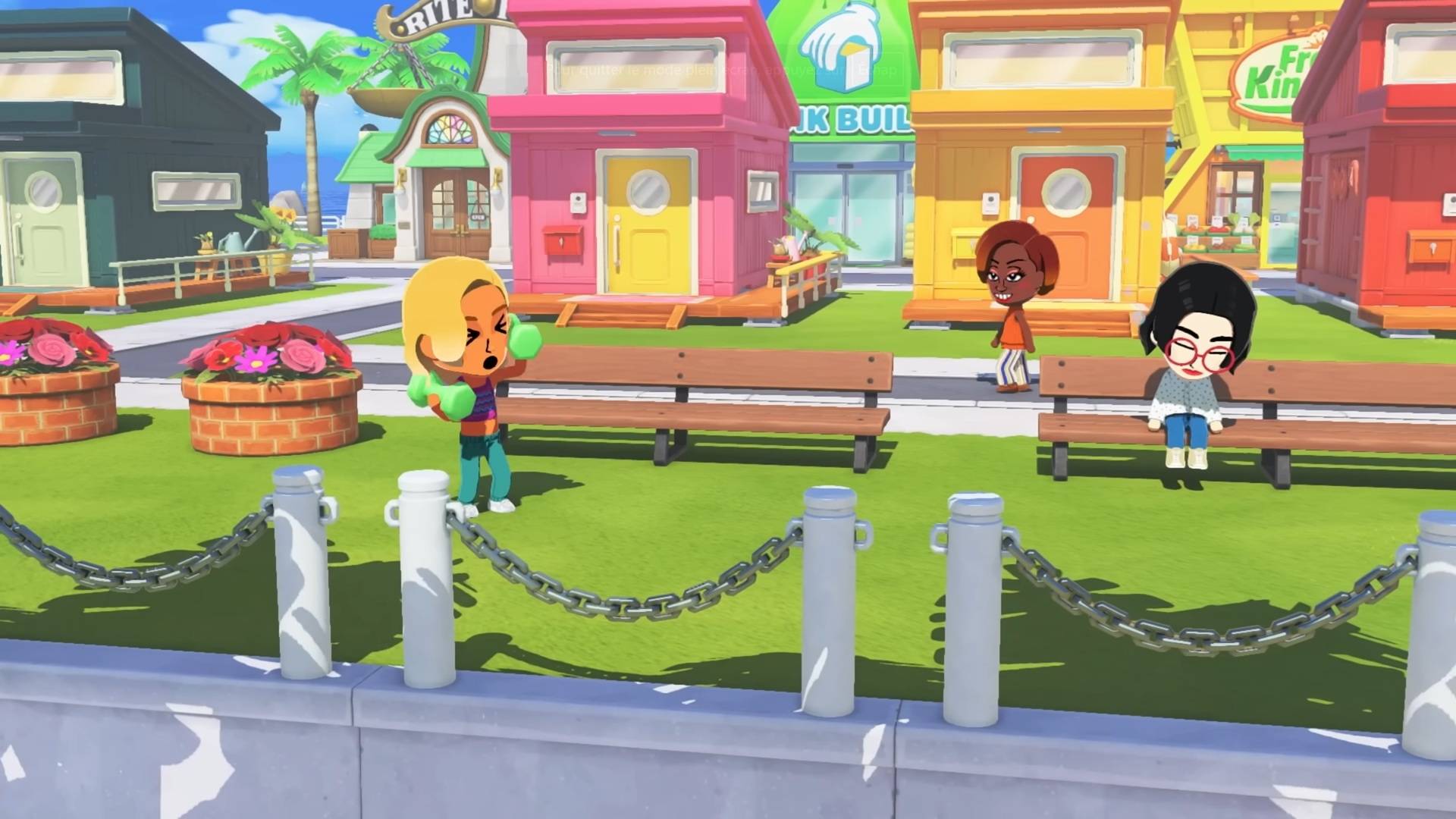
So, why is this specific entry selling like hotcakes? TT Games and Nintendo's internal teams have leaned into the "anything goes" philosophy that made the original a hit, while modernizing the systems for a 2026 audience.
1. A Wildly Robust Character Creator
The Mii editor in Living the Dream is the most advanced toolset Nintendo has ever released. Players are no longer limited to basic facial features. The toolset allows for high-fidelity recreations of celebrities, fictional characters, and historical figures. Want to see Batman marry a slice of pizza? In Living the Dream, that’s not just possible—it’s a Tuesday afternoon.
2. The "Obsession" with Detail (and Fart Sounds)
In a move that could only come from Nintendo, the developers reportedly became "obsessed" with perfecting the game’s foley work—specifically, the fart sounds. While it sounds juvenile, this attention to absurd detail is what gives Tomodachi Life its soul. It doesn't take itself seriously, providing a much-needed emotional outlet for players looking for low-stress entertainment.
3. Inclusive and Unfiltered Social Dynamics
Nintendo has taken a notably more relaxed stance on how players interact. The game features deeper relationship mechanics and a more inclusive approach to player identity. The game’s AI is designed to be reactive and occasionally "unfiltered," leading to hilarious social friction that feels more "human" than your average NPC interaction.
Gameplay Guide: Navigating Personality Types
To help new players navigate this chaotic social experiment, understanding the Personality Types is essential. Your Mii's personality dictates who they befriend, who they fall in love with, and how they react to the world around them.
| Personality Group | Key Traits | Best Roommates |
|---|---|---|
| Easygoing | Relaxed, optimistic, slow-paced. | Independent, Other Easygoing Miis. |
| Outgoing | Social butterfly, expressive, energetic. | Confident, Easygoing. |
| Confident | Focused, ambitious, occasionally stubborn. | Outgoing, Independent. |
| Independent | Private, creative, thinks outside the box. | Confident, Other Independent Miis. |
Pro Tip: To get specific personality types, pay close attention to the sliders during the Mii creation process. Small adjustments to the "Movement" and "Expressiveness" bars can shift a Mii from "Reserved" to "Trendsetter" in an instant.
Is It Worth the $59.99 Price Tag?
In an era of "Live Service" games riddled with microtransactions, Tomodachi Life: Living the Dream is a refreshing "buy-to-play" experience. There are no battle passes or locked cosmetic loot boxes. Everything in the game is earnable through gameplay, making the $59.99 entry fee feel like a bargain for the hundreds of hours of potential playtime.
Whether you’re buying it at Amazon or GameStop, you’re getting a complete package that celebrates the history of the Mii while pushing the social sim genre into new, weird territories.
Final Verdict: The Social Game of the Year?
While Animal Crossing: New Horizons focused on the tranquility of island life, Tomodachi Life: Living the Dream focuses on the hilarious volatility of human (and Mii) nature. Its record-breaking sales are a signal to the industry: players want creativity, they want humor, and they want games that allow them to be a little bit "filthy" and a lot bit "weird."
As we move closer to the reveal of the Switch 2, Living the Dream stands as a definitive proof of concept for Nintendo's unique charm. If you haven't started your island life yet, there has never been a better time to jump in and start living the dream.
Frequently Asked Questions (FAQ)
Q: Can I transfer my Miis from the 3DS version?
A: Yes! Using the Nintendo Switch Online app, you can import legacy Miis, though some features may need to be updated to fit the new 2026 engine.
Q: Does the game support multiplayer?
A: While it is primarily a single-player simulation, you can visit friends' islands and exchange "Traveler" Miis via local wireless and online play.
Q: Are there more DLCs planned?
A: Nintendo has hinted at "Seasonal Updates," but the core game is already massive at launch.